



With 718 fanciers taking part and a total intake of 5,348 pigeons, the Hoosier Classic heads into the 2026 racing season with strong support and plenty of excitement. Since the first young birds arrived at the Hoosier Loft in Wanatah, Indiana, in February, this year's team has come through intake, the moult, months of loft flying and a road training programme that a changeable Indiana summer tested at every turn.
Since its first season in 2013, the Hoosier Classic has spent 13 years building relationships with fanciers who return each year to compete. That continued support remains at the heart of the race.
The stakes are high. The Hoosier Classic offers a guaranteed total payout of US$1.32 million, with guaranteed prizes in every race. Once the number of paid birds passes 2,800, Hoosier adds $520 to the prize fund for every additional paid bird, pushing the total payout even higher.
Here is how this year's pre-season unfolded, from intake to the final Sprint race.
The Intake
Intake for the 2026 season opened on 15 February. Demand was strong from the start, and the loft reached capacity ahead of schedule.
Rather than risk overcrowding, the organisers closed intake on 3 May, a week before the planned closing date of 10 May. The decision was made to protect the health of every bird in the loft. After that date, only pre-registered replacement birds were accepted, up to 15 May.
When the doors closed, 5,348 pigeons had been entered by 718 fanciers, an average of more than seven birds per fancier.
Moulting Season
Every young team has to come through the moult, and how the birds handle it often shapes the rest of their season. This year, the moult went flawlessly, with the team coming through in excellent condition.
Much of the credit goes to the new loft manager, Ruan Louw. Ruan joins the Hoosier Classic from Afrikapro, where he previously served as loft manager, and his experience showed in how the birds were managed through this critical period.
A full programme of vaccinations and health treatments kept the birds in top condition throughout.
Loft training
Loft flying began on 10 May. In the early days, the young birds were chased up to get them off the loft and teach them to fly together as a pack.
As their confidence grew, so did their stamina. The team built up steadily until the birds were exercising for 1.5 to 2 hours at a time around the loft.
That progress came during a very wet spell in Indiana, and training went ahead only when the weather allowed. Even so, the birds responded quickly, forming tight packs and finding their rhythm early on.
Road training
Road training began on 4 August with a first toss of just 2 miles. From there, the distances were built up step by step: 4 and 5 miles in mid-August, then 9, 15 and 20 miles by the end of the month.
In early September the birds moved up to 30 and 40 miles. The final training toss before the sprint series, on 13 September, was 44 miles.
This preseason tested the patience and flexibility of the entire team. Changing weather patterns, from warm, humid conditions to cold temperatures and rain, made consistent road training difficult and delayed the start of the racing season. Road training paused for five days at the end of August and for a full week after the second Sprint race in mid-September, and two sessions, on 24 and 25 September, were cancelled.
Each time, the team worked around the weather and picked the programme up again when conditions allowed. Despite those challenges, the pigeons completed 787 miles of preseason road training.
Ruan's thoughts
"I'm happy with our preseason preparation and the overall health of the pigeons. The changing weather has been a challenge, and maintaining a steady training rhythm hasn't always been easy. But I believe the birds are well prepared, and I'm very excited for the season ahead."
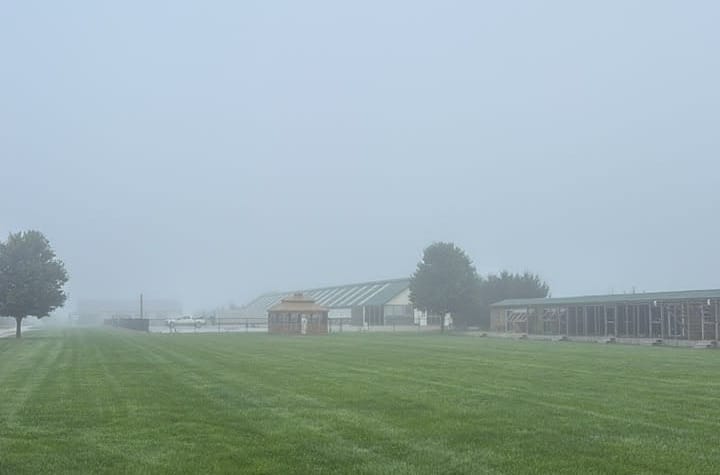
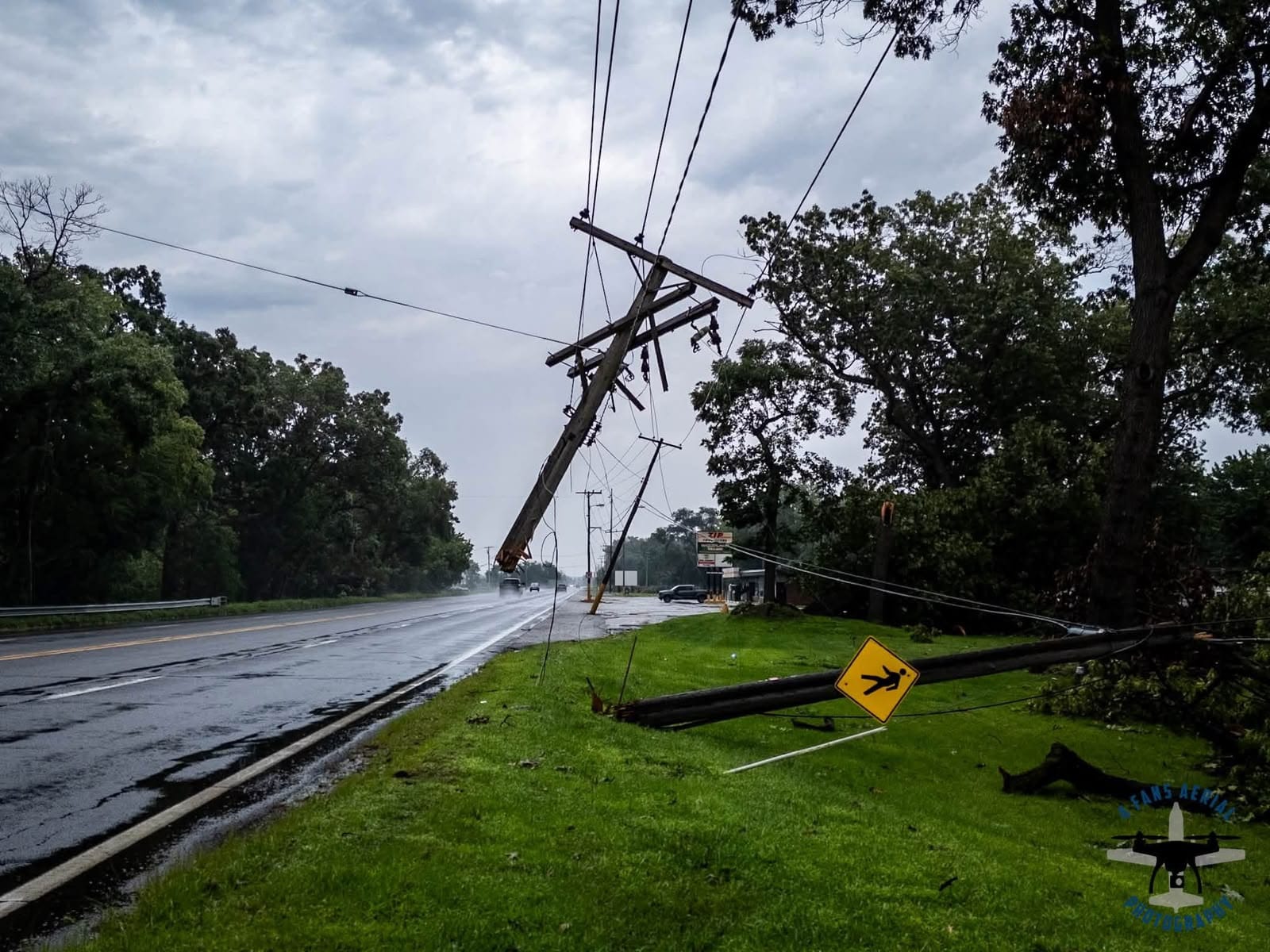

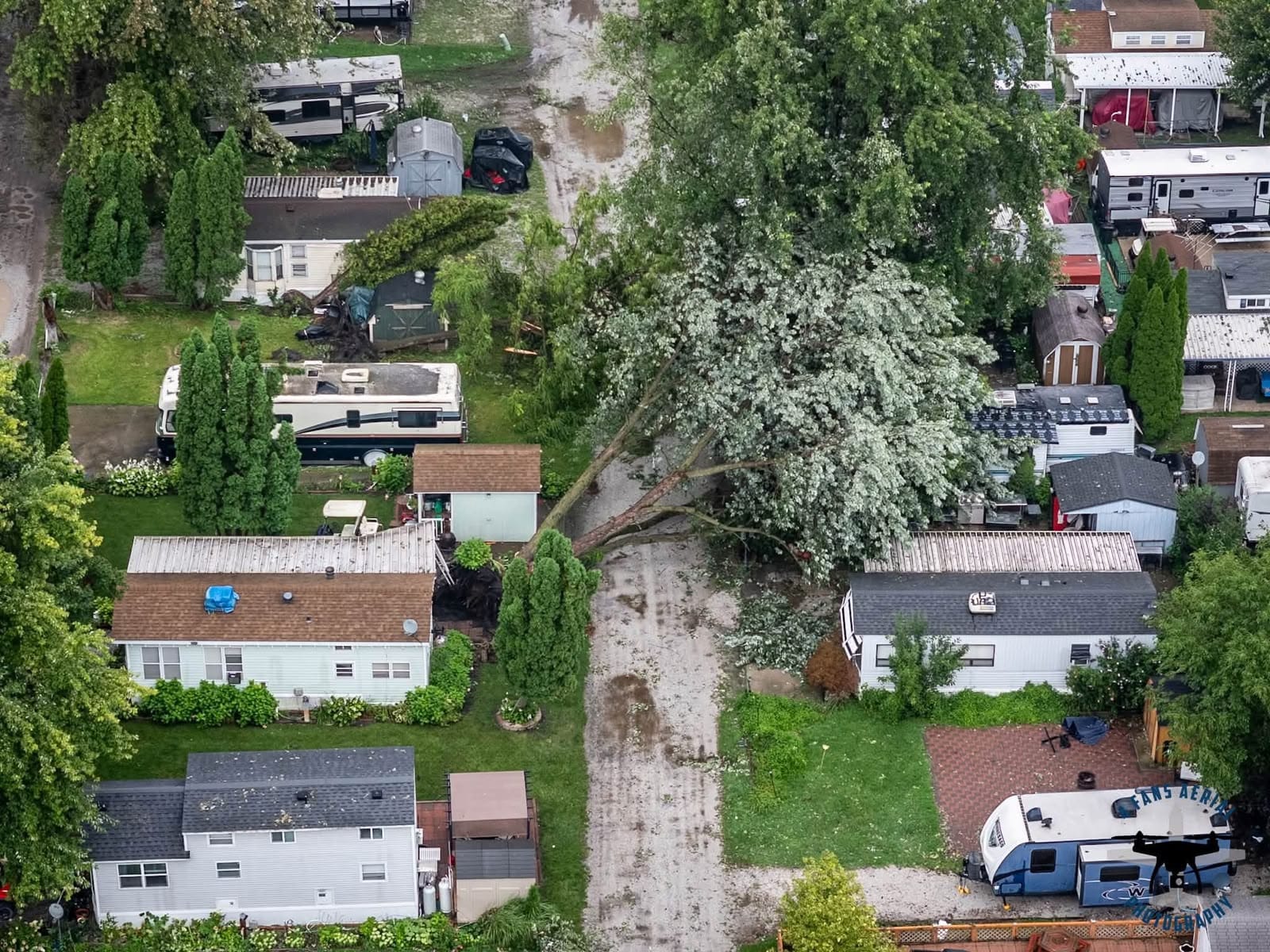
The El Niño damage done around our area!
Sprint Series 2026
The Sprint Series returned for its second year in 2026: six races between 14 September and 3 October, building from 55 miles up to a 100-mile finale.
The series showed impressive growth. Fanciers activated birds for a $100 fee per pigeon, and entries rose from 271 last year to 628 this year, more than doubling participation!
The winners were decided by each pigeon's average speed across all six races, with the fastest average taking the series. That format rewards consistency: a bird had to perform race after race, not just on one good day.
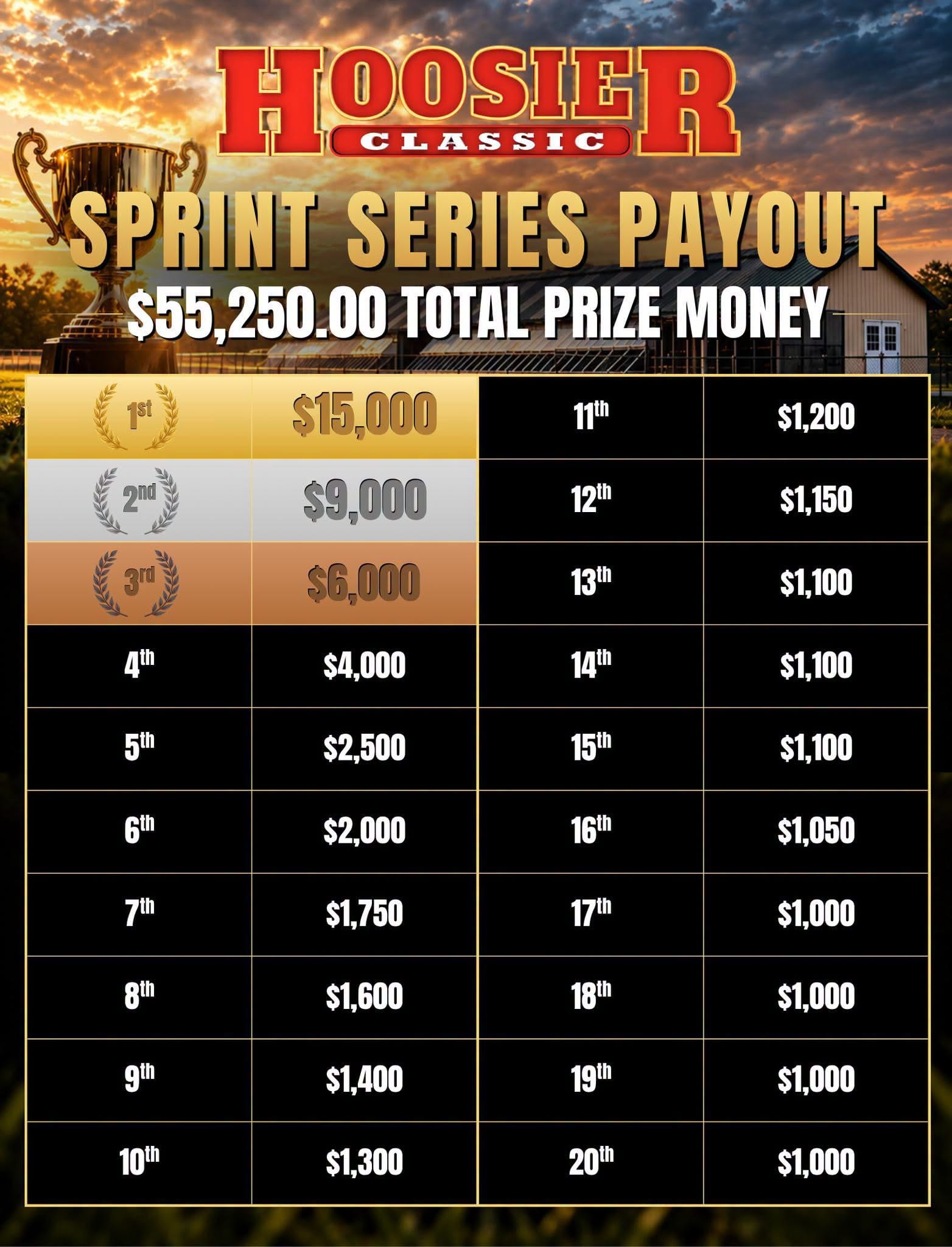
The Sprint Series paid out $55,250 in total prize money across the top 20 places. The Ace Pigeon took home $15,000, with $9,000 for second and $6,000 for third, and every place down to 20th earned at least $1,000.
Looking ahead
With the Sprint Series complete, the team has raced 435 miles under real race conditions, and attention now turns to the main races of the season.
Adding another dimension to the competition, the Hoosier Classic will fly a new southwest route this year. It will be interesting to see how the pigeons handle the new course as the series progresses.
Jim's message
"It is a privilege to welcome our customers back every year and to receive their continued support. It's exciting to see how fanciers keep improving their pigeons and the genetics they send us.
"The weather has certainly been frustrating, but I'm still happy with the preseason, and I believe we have a fantastic season ahead."
To every fancier who has supported us: thank you for your trust, patience and commitment throughout a challenging preseason. Behind every entry is a breeder's hard work and hope, and our team looks forward to seeing those pigeons perform.
Let the Hoosier Classic racing season begin!
In our next two articles, we look at which lofts did best in the six preseason trainings, then meet the fanciers behind the top three Sprint Series Ace Pigeons.